Achilles Tendonitis (Achillodynia): Symptoms, Causes, and Treatment

Causes and Symptoms of Achilles Tendonitis
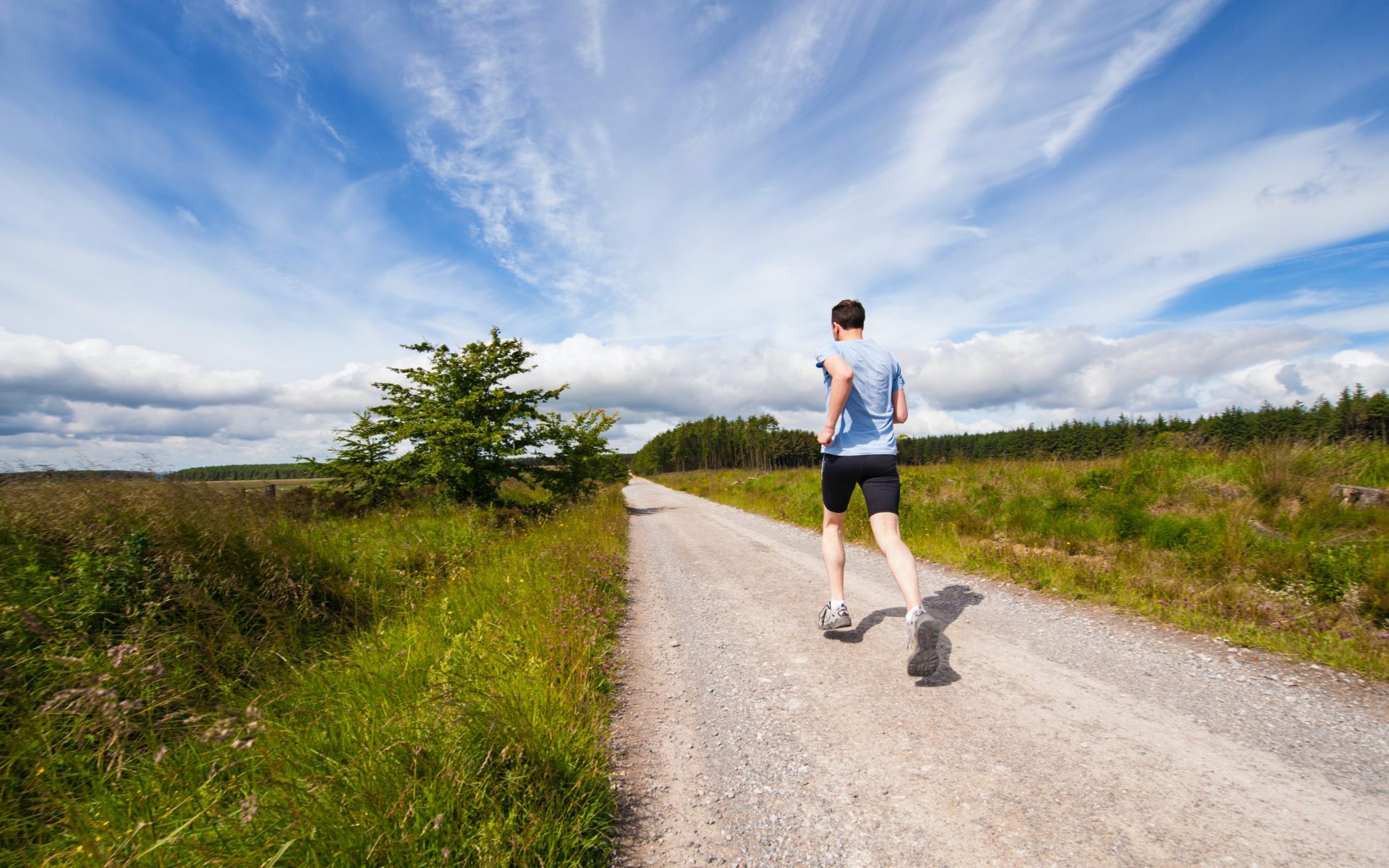
The Achilles tendon is often overexerted while running and the resulting inflammation (achillodynia) is common. Unfortunately, if it becomes chronic, the condition can be protracted.
Typical symptoms are pain, swelling, and an overheated Achilles tendon. Runners typically first feel an uncomfortable pulling sensation in the tendon area. Sensitivity to pressure increases and swelling occurs. The pain is particularly severe in the morning and during the first few minutes of running.
When chronic, the tendon thickens and causes permanent pain.
Inflammation of the Achilles tendon can be the result of overexertion and training errors such as inadequate stretching and warming up, but can also be caused by leg axis problems and poorly fitted running shoes. More often than not, a combination of these factors comes together to create the underlying issue.
Along with regular physiotherapy, the triggering factors must, of course, be resolved, for example, by adjusting running shoes using treadmill analysis.
While the condition is acute, it is advisable to switch to other endurance sports. Cryotherapy, poultice wraps, and sports ointments are also recommended.
If the inflammation is already chronic, treatment consists of daily strengthening exercises, orthotic insoles, and physical therapy — all in combination with shockwave or Repuls red light therapy.
Particularly persistant cases can be treated with autologous blood (PRP) or cortisone, and in extreme cases surgery is also an option.
Anatomy and Function of the Achilles Tendon
The Achilles Tendon, the strongest tendon in the human body, was considered to be the weak point of the otherwise invincible Achilles (Achilles heel) in Greek mythology. Ambitious runners will also have a story to tell about this tendon.
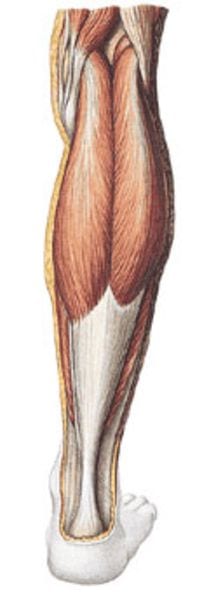
The function of the Achilles tendon is to bend the ankle, pulling the forefoot downwards with strength. This movement is crucial for pushing off the foot when walking and running.
The Achilles tendon is often overexerted while running and the resulting inflammation (achillodynia) sind leider häufig – und oft auch sehr langwierig. Betroffen ist entweder die Achillessehne direkt am Ansatz am Fersenbein – oder die Sehne und das umgebende Gleitgewebe mehrere Zentimeter oberhalb des Ansatzes. Bei der chronischen Achillodynie kommt es zu einer spindelförmigen Verdickung der Achillessehne, verbunden mit anhaltenden Schmerzen, die manchmal stärker, manchmal schwächer sind.
Clinical Presentations: Acute and Chronic Achilles Tendinopathy
What to Do for Acute Achilles Tendonitis? (Treatment Tips)
Unsere Therapie-Tipps bei einer Achillodynie:
- Stop training (if possible, switch to another type of endurance training such as cycling, swimming, or aqua jogging until symptoms have subsided).
- Ice packs can help in the acute pain stage if you have nothing else at home. However, do not apply ice for more than ten minutes and never place it on bare skin.
- Cold curd compresses can help alleviate inflammation
- Sports plaster: Dr. Gäbler thinks highly of the Flector EP Plaster, which releases the anti-inflammatory active ingredient (Diclofenac) consistently over 12-14 hours, therefore often leading to a rapid improvement in symptoms. (This should obviously not be used in the case of Diclofenac intolerance, as it can cause skin irritations. Fortunately, this is extremely rare.)
- Sports ointments can also help. However, they have the disadvantage that the majority of the active substance is not absorbed by the skin but instead by the patient's socks.
- REPULS infrared therapy is a new, particularly gentle and fast-acting method of significantly accelerating the healing of inflammation. For more information, see Repuls Infrared Therapy
- A padded heel insert can be useful in the initial stage, but only short term as can become counterproductive!
Bei Schmerzfreiheit kann das Training wieder aufgenommen werden. Es empfiehlt sich in den ersten Wochen eine Wärmetherapie direkt vor dem Training (z. B. mit ätherischen Thermosalben) in Kombination mit konsequenten Aufwärmübungen. Nach dem Training sollte konsequent gedehnt werden (auch wenn derzeit leider sehr oft Artikel erscheinen, die Dehnungsübungen als sinnlos darstellen) am besten in Form eines dynamischen Dehnungsprogrammes und mit exzentrischen Übungen der Achillessehne. Weiters sollte man nach jeder Trainingseinheit die beleidigte Sehne mit Eisbeuteln oder Topfenumschlägen kühlen.
Accompanying therapy for athletes:
- Ice pack for a maximum of 10 minutes prior to and after training
- Eccentric stretching immediately after training
- Reduced running training up to a pain intensity of VAS 5 (on a scale of 0-10)
- Nitrolingual spray 2 x 2 puffs locally on the Achilles tendon for 6 months as an off-label use
- Balance training as part of a physiotherapy program
In case of persistent symptoms, the following treatments can also be carried out:
- Mesotherapy (3-5 sessions)
- Shock wave therapy (3-5 sessions)
Was tun bei einer akuten Achillessehnenentzündung?
Cortisone Injections for Achilles Tendinopathy
Injections with cortisone are only indicated in truly treatment-resistant cases, although improvement with cortisone is often immediate and lasting.
Cortisone is an excellent inhibitor of inflammation (and can therefore be used to treat specific symptoms) and necrotiser of small vessels and therefore also painful nerve endings, which means rapid relief from pain.
Allerdings kann es auch zu einer Verschlechterung der Durchblutungssituation der Sehne kommen, wenn man das Cortison zu knapp an die Sehne oder sogar in die Sehne spritzt -und damit zum Absterben von mikroskopisch kleinen Sehnenanteilen, wodurch die Wahrscheinlichkeit eines späteren Achillessehnenrisses deutlich steigt. Die kritiklose und oft falsche Infiltration direkt in die Achillessehne hat – durch die hohe Komplikationsrate – dazu geführt, dass manche Ärzte die Applikation von Cortison völlig ablehnen (diese Einstellung ist auch nicht korrekt: die Gabe von Cortison (wie von jedem anderen Medikament auch) muss sorgfältig abgewogen werden. Öfter als zweimal (innerhalb kurzer Zeit) sollte man sich daher nicht mit Cortison infiltrieren lassen – da ist es vermutlich vernünftiger sich einer kleinen Operation zu unterziehen, um die entzündeten Gewebsanteile minimal invasiv zu entfernen.
Autologous Blood Therapy (ACP) for Achilles Tendon Irritation
ACP (autologous conditioned plasma) is made from specially centrifuged blood removed from a vein in the patient's arm. This activates the thrombocytes (blood platelets), releasing proliferative substances (such as Platelet Derived Growth Factor, PDGF) and morphogenic proteins (Transforming Growth Factor, TGF) that are important for muscle, tendon, cartilage, and bone healing. New research shows that treatment with ACP can significantly accelerate and improve the healing of muscle injuries, as well as tendon and cartilage problems.
Other Treatments: Shock Wave Therapy & ACP
Extracorporeal shock wave therapy for achillodynia:
Extracorporeal shock wave therapy is a newer method of pain relief. It is suspected that pain is not alleviated by fragmentation but by the shock waves activating the self-healing processes of the cell. Shock wave therapy improves cell metabolism and deactivates pain fibers. Following multiple treatments, 60-80% of patients experienced alleviation of pain or even complete relief of symptoms. For Dr. Gäbler, this success rate is too low (in comparison with the excellent results of eccentric muscle exercises, consistent physiotherapy, and orthopaedic inserts), however it is a non-surgical method that can be undertaken in treatment-resistant cases.
Autologous Conditioned Plasma:
Die Behandlung mit autologem conditioniertem Plasma (ACP) stellt ein neuartiges Behandlungsverfahren zur Therapie der chronischen Achillodynie und Insertionstendopathie dar. Seit längerem ist bekannt, dass die im Blut des Menschen enthaltenen Wachstumsfaktoren unterschiedliche Heilungsvorgänge positiv beeinflussen können. Auf dieser Erkenntnis beruht die Eigenbluttherapie (ACP). Mittels konzentrierter Wachstumsfaktoren im Blut können Heilungs- und Aufbauprozesse im geschädigten bzw. entzündlich veränderten Sehnengewebe stimuliert werde.
How does ACP therapy work?
Eine kleine Menge Blut wird wie für eine Blutuntersuchung aus der Armvene entnommen. Durch ein spezielles Trennverfahren wird der Teil des Blutes gewonnen, der körpereigene regenerative und arthrosehemmende Bestandteile enthält. Die so gewonnene körpereigene Lösung wird in das betroffene Gewebe injiziert. Dies geschieht mittels einer speziell entwickelten Doppelspritze (Arthrex Double Syringe). Dieses neu entwickelte Doppelkammersystem gewährleistet die sterile Gewinnung und sterile Injektion der Wachstumsfaktoren und bietet so höchstmögliche Sicherheit. Achtung: Es gibt noch keinen wissenschaftlichen Beweis, dass diese Therapie hilft, bzw. in welchem Prozentsatz Heilungserfolge erzielt werden können – ist aber von Arthrosepatienten die positive Wirkung bekannt – und es gibt inzwischen positive Anwendungsberichte.
Sie leiden an einer Achillessehnenentzündung? Treten Sie noch heute mit uns in Kontakt!
Our experts are happy to help you
Just give us a call!